
Student Trust in the Teacher: A Critical But Overlooked Factor in Student Success
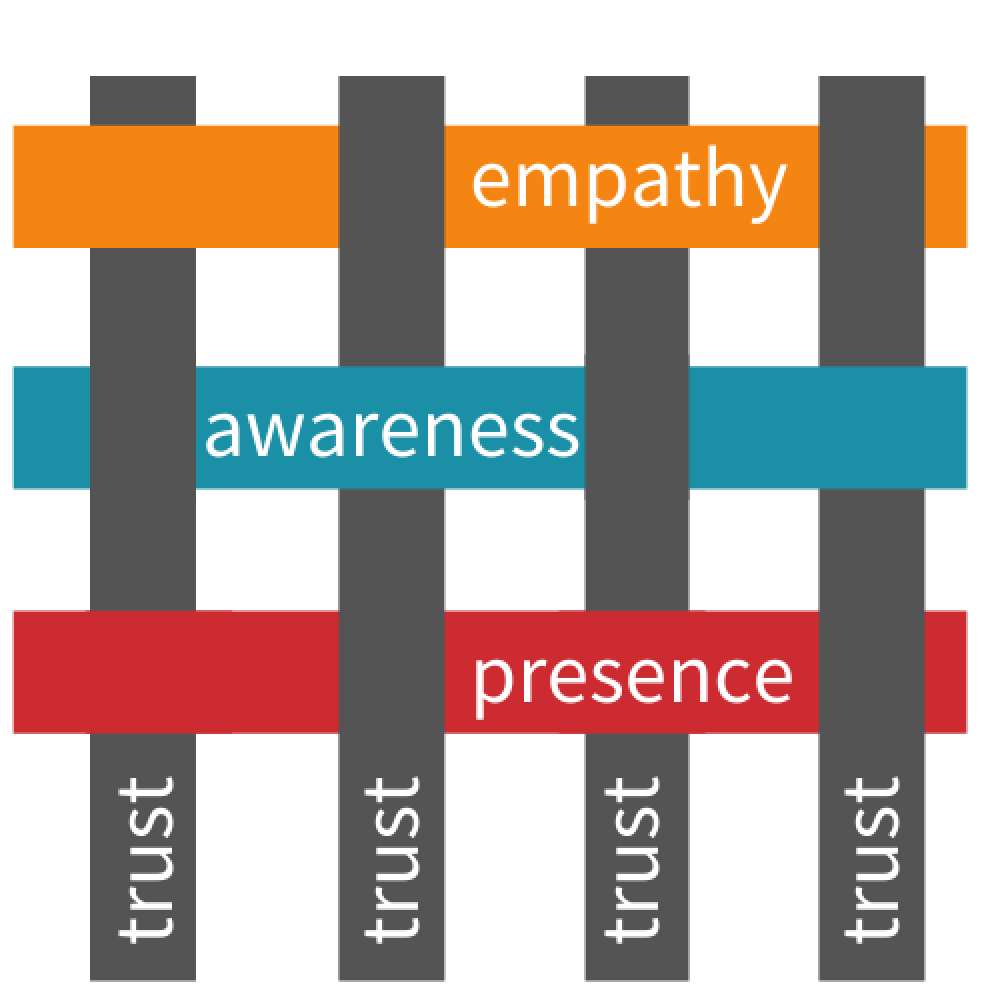
This brief piece describes how building student trust improves their engagement and outcomes, breaks down trust into actionable components, and differentiates trust from rapport.

Stephen L. Chew’s opening story about how we can unintentionally undermine student trust hits home with me. I also agree with his assertion that it’s more important for students to trust us than to like us and am grateful for the smart, practical ideas he shares.
View excerpt
Student Trust in the Teacher: A Critical But Overlooked Factor in Student Success
I’ve recently been exploring student trust in the teacher and its role in student motivation and perseverance. We know that trust is vital in social relationships and organizations, but there is remarkably little research on the role of trust in educational settings. Trust is interpersonal, and it involves a subjective judgment about the motives of others that may or may not be accurate. In teaching, students make judgments about the motives of their teacher. Furthermore, trust is most important when people feel most vulnerable and at risk of failure. Students seek trust in teachers when taking courses that are both challenging and required for their major or that cover a topic in which students feel anxious and insecure. Minoritized students who feel outside the mainstream culture of the campus will be especially sensitive to the trustworthiness of their teachers.