Most Recent Collections
We regularly add new collections to Teaching Hub. This gallery highlights the newest from both established and first-time curators.
Collections
Open Educational Resources and Generative AI
This collection features resources related to the intersection of Open Educational Resources (OER) and the ever-changing landscape of generative AI.

Getting Started with Course-Based Undergraduate Research Experiences (CUREs)
Undergraduate research offers significant developmental opportunities for students but experiences are often limited to lab-based projects for advanced students. CUREs offer the possibility of the developmental experiences of research at scale and for all types of students.

Earning and Maintaining Student Trust
Student-faculty trust not only contributes to student well-being; it also creates the safety needed for students to take intellectual risks and motivates them to work harder. This collection urges us to counter generative AI and other forces that (mostly inadvertently) are breeding mistrust and offers practical ideas for cultivating and sustaining our students’ trust.

A Mosaic Approach to GenAI in the Classroom
GenAI has had a chaotic impact on classrooms. While we haven't found a magic bullet to solve things, we have developed a number of imperfect tools. The following resources lay out a strategy for layering those imperfect tools and approaches to meet the challenges of this AI moment. These ideas are based in theory and classroom-tested—and aimed at helping faculty make teaching tenable, if not fun, again.


Student Learning in Tech-Free Classrooms
This collection offers research, resources, inspiration, and guidance for implementing classrooms free of digital technologies (including both low- and no-tech strategies). We invite you to explore approaches to teaching and learning that use conversation, collaboration, hands-on activities, reflection, and other analog tools to foster deeper learning and meaningful connection.




Open Educational Resources & Accessibility
By incorporating accessibility into your OER design, you can help ensure that all users are able to fully access, navigate, and engage with your content. Explore the materials below to learn practical strategies and tools for making your OER accessible from the start.

Implementing Oral Exams for Learning and Assessment
In response to the academic integrity challenges posed by generative AI, many instructors are turning to an older form of assessment: the oral exam. Beyond their use as an evaluation security measure, oral exams, when implemented intentionally, can help foster deeper student learning, build instructor-student connections, and maybe even save time grading, as the research and case studies in this collection show.


Active Learning Fundamentals
What does active learning look like in practice? How do we design and facilitate experiences that support learning and engagement? This collection brings together resources that explore these questions through research, examples, strategies, and experiences.For resources focused on teaching in active learning classrooms, see the companion Teaching Hub collection, Teaching in Active Learning Classrooms.
Teaching in Active Learning Classrooms
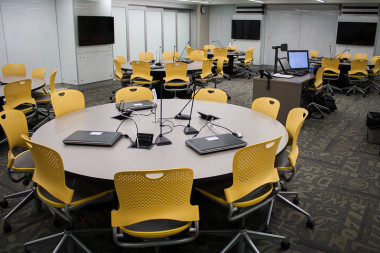
How does classroom space shape teaching and learning? What does it mean to teach in an active learning classroom (ALC)? This collection brings together resources that explore these questions through research, instructor experiences, practical strategies, and reflection.
For resources focused on active learning more broadly, see the companion Teaching Hub collection, Active Learning.

Using Powerful Content to Cultivate Educators for Today’s K-12 Students
This collection’s resources demonstrate how and why the selection and use of powerful course content is an important and impactful way to improve learning for both future educators and students.